Weight Loss Without Starvation: Smart Lifestyle Changes

Sustainable weight loss doesn’t come from extreme calorie cutting or constant hunger. It comes from smart lifestyle changes that support your body’s needs while gently guiding it toward fat loss. When nourishment, movement, and daily habits work together, weight loss becomes steady, realistic, and far easier to maintain.
Why Starvation-Based Diets Fail
Severely restricting calories may lead to quick results, but those results rarely last. Starvation signals the body to conserve energy, slow metabolism, and increase fat storage.
Common consequences of extreme dieting include:
- Constant hunger and fatigue
- Muscle loss instead of fat loss
- Slower metabolic rate
- Increased cravings and binge cycles
Long-term success depends on nourishment, not deprivation.
Eat Enough to Lose Weight
Weight loss improves when the body feels safe, fueled, and balanced.
Instead of eating less food, focus on eating the right kinds of food.
Supportive nutrition habits include:
- Prioritizing protein to stay full longer
- Including fiber-rich vegetables at most meals
- Eating balanced meals instead of skipping them
- Allowing flexibility rather than strict food rules
Adequate nutrition helps regulate appetite hormones and energy levels.
Build Balanced, Satisfying Meals

Meals that combine protein, fiber, and healthy fats naturally reduce overeating.
A balanced plate often includes:
- Lean protein (eggs, poultry, legumes, fish)
- High-volume vegetables or fruits
- Whole-food carbohydrates for energy
- Healthy fats for satisfaction
When meals are satisfying, the urge to snack excessively decreases.
Move More Without Overtraining
You don’t need exhausting workouts to lose weight. Consistent, enjoyable movement burns calories while supporting recovery and motivation.
Sustainable movement options include:
- Walking regularly
- Strength training with bodyweight or light resistance
- Stretching or mobility work
- Recreational activities like cycling or dancing
Movement should energize you—not leave you depleted.
Support Metabolism Through Daily Habits
Metabolism is influenced by more than food and exercise. Sleep, hydration, and stress levels all play a role.
Key metabolic-supporting habits:
- Getting 7–9 hours of quality sleep
- Drinking enough water throughout the day
- Managing stress with relaxation practices
- Avoiding long periods of undereating
These habits help the body release fat more efficiently.
Let Go of the “All-or-Nothing” Mindset
Weight loss stalls when perfection becomes the goal. A flexible mindset supports consistency.
Helpful mindset shifts include:
- Viewing progress as a long-term process
- Allowing occasional indulgences without guilt
- Focusing on habits, not just outcomes
- Measuring success beyond the scale
Consistency beats intensity every time.
Eat Mindfully to Reduce Overeating
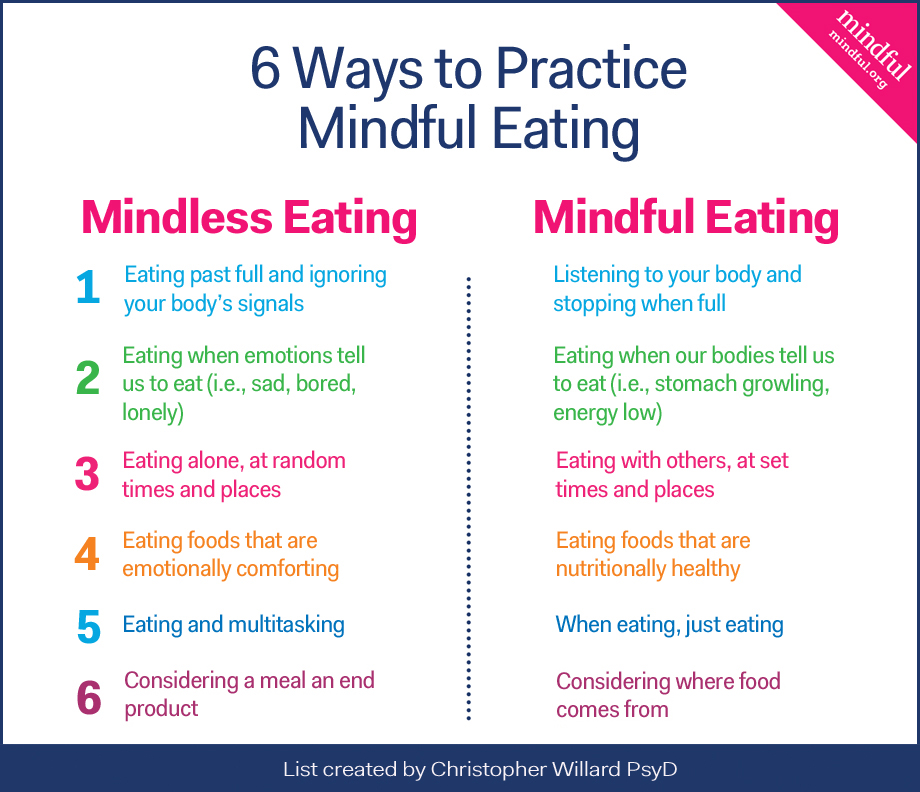

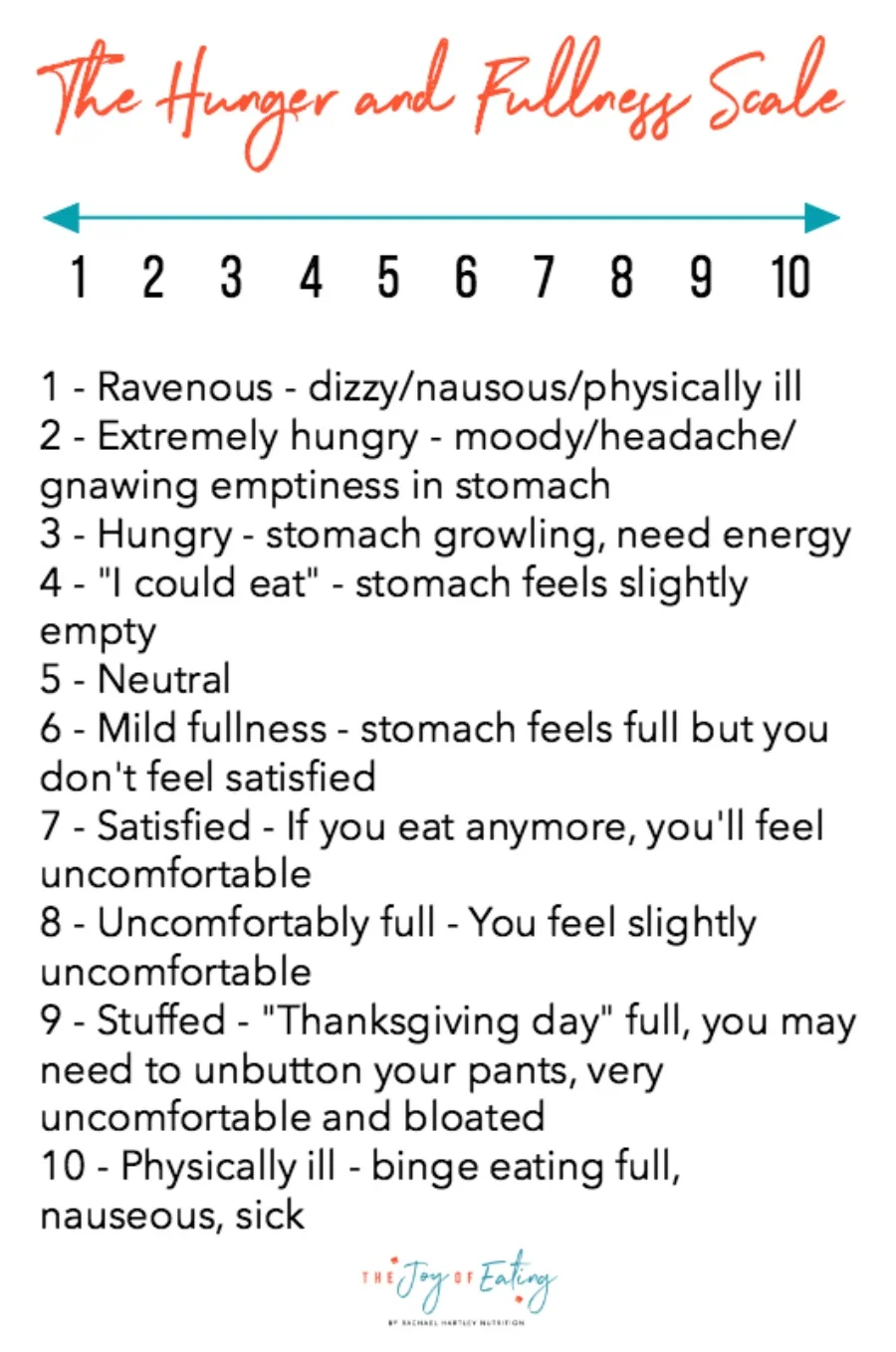
Mindful eating reconnects you with hunger and fullness cues that extreme dieting often disrupts.
Simple mindful eating practices:
- Eating slowly and without distractions
- Noticing physical hunger versus emotional urges
- Stopping when comfortably full
- Enjoying food without labeling it “good” or “bad”
This approach naturally reduces calorie intake without forcing restriction.
Track Progress Without Obsession
Weight loss progress doesn’t always show up on the scale right away.
Other signs of progress include:
- Improved energy and mood
- Better sleep quality
- Increased strength or endurance
- Clothes fitting more comfortably
Recognizing these wins helps maintain motivation.
Frequently Asked Questions
1. Can I lose weight without feeling hungry all the time?
Yes. Eating balanced meals with protein and fiber helps control hunger naturally.
2. Is eating more ever helpful for weight loss?
In many cases, yes—especially when chronic under-eating has slowed metabolism.
3. Do I need to cut out carbs to avoid starvation dieting?
No. Whole-food carbohydrates support energy and hormonal balance.
4. How fast should healthy weight loss occur?
Gradual loss is more sustainable and easier to maintain long term.
5. Will I gain weight if I stop extreme dieting?
Some initial adjustment is normal, but balanced habits support long-term stability.
6. Can stress really affect my ability to lose weight?
Yes. Chronic stress can increase cravings and fat storage hormones.
7. Is consistency more important than calorie tracking?
For many people, yes. Consistent habits often outperform strict tracking.
Weight loss without starvation is not only possible—it’s more effective. By fueling your body, moving consistently, and building supportive habits, fat loss becomes a natural outcome rather than a constant battle.