A Realistic Stress Reset Plan Using Fitness Classes Singapore, Without Changing Your Whole Life
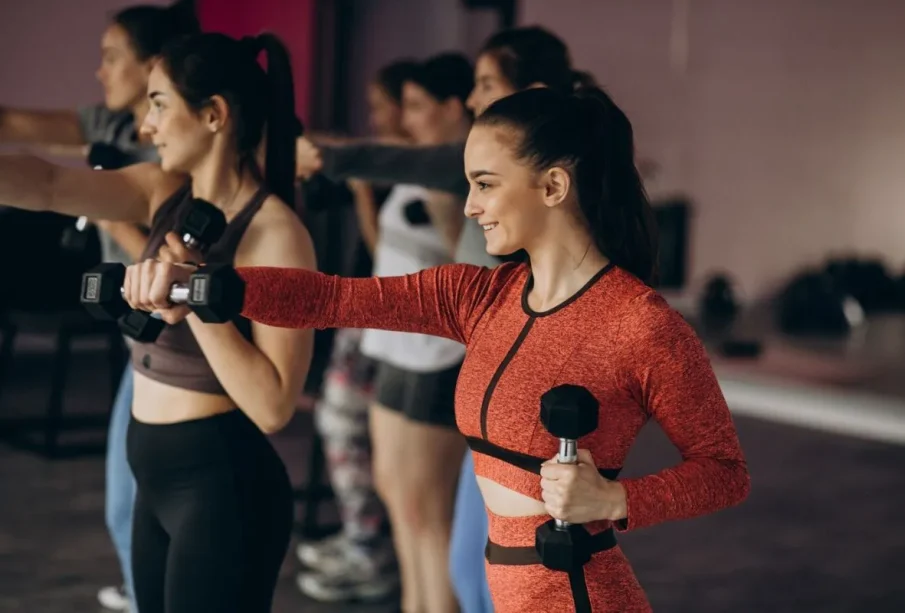
Stress in Singapore can feel like a constant background app running, work deadlines, family responsibilities, long commutes, and a phone that never truly stops buzzing. If you have been telling yourself you will “fix it later”, you are not alone. The good news is that you do not need a dramatic lifestyle overhaul to feel better, you need a repeatable system that fits real schedules.
One of the most effective systems is using fitness classes singapore as a weekly stress reset. Group training gives you structure, a time slot you commit to, a coach-led environment, and a physical outlet that helps your brain switch gears. The key is choosing the right class types, pacing intensity properly, and pairing training with simple recovery habits you can actually maintain.
Why stress feels heavier in Singapore
Stress is not only in your head, it shows up in your body. When your days are packed, your nervous system tends to stay in “go mode” for too long, which affects sleep quality, appetite, and even how patient you feel with people you care about.
The modern stress cycle, why it keeps repeating
Many people fall into a loop like this:
-
High stress day, little movement, lots of sitting
-
Late dinner or late snacking, more screen time
-
Light, broken sleep, waking up tired
-
Extra caffeine to cope, then more anxiety later
-
Weekend crash, then guilt for “wasting” rest days
Group classes help break the loop because they create a clean boundary in your day, before class is work and noise, during class is just the next cue, the next breath, the next rep.
Stress, sleep, and cravings are linked
When you are stressed, your body often craves quick comfort foods, especially sugary snacks or high-fat meals. That does not mean you lack discipline, it often means your body is chasing fast energy and emotional relief. A well-planned training week helps regulate cravings by improving sleep, blood sugar control, and mood stability.
How group classes calm your nervous system, if you choose wisely
Not every workout reduces stress. Some classes push intensity so high that you leave feeling wired, not reset. The goal is to use a mix of “upshift” classes that release tension and “downshift” classes that calm the system.
Downshift classes, for calming the mind and loosening the body
These classes help you move from tense to steady:
-
Yoga-inspired sessions that emphasise breathing, mobility, and longer holds
-
Pilates-style formats that strengthen core and posture with control
-
Stretch and mobility sessions that relieve tight hips, upper back tension, and neck stiffness
-
Low-intensity conditioning where you stay in a manageable effort zone
What they do for stress:
-
Slow breathing signals safety to the brain
-
Controlled movement improves body awareness, you stop “living in your head”
-
Posture work reduces headaches and stiffness linked to long sitting
Upshift classes, for releasing pressure without burning out
These classes help you discharge stress and feel lighter:
-
Dance-based fitness that combines music and movement
-
Indoor cycling where intensity can be adjusted safely
-
Strength and conditioning formats that use intervals, but with good pacing
What they do for stress:
-
Rhythmic movement reduces mental rumination
-
Sweating and cardio improve mood and energy
-
Stronger muscles improve confidence and reduce everyday aches
The trick is dosage. Upshift is great, but too much intensity too often can increase fatigue and irritability.
The 3-class weekly stress reset template that works for busy schedules
You do not need to train daily to feel better. You need consistency and the right blend.
Template A, for high-stress work weeks
Aim for three classes, spaced out:
-
Class 1, Mid-week downshift, yoga, pilates, or mobility-focused
-
Class 2, End-week upshift, dance or cycling at moderate intensity
-
Class 3, Weekend strength endurance, full-body conditioning that feels challenging but controlled
Why this works:
-
You calm the system early, you avoid carrying tension into the weekend
-
You release mental pressure with music and cardio
-
You build strength, which improves resilience and posture
Template B, for people who feel “wired but tired”
If you feel exhausted yet restless, start gentler:
-
Class 1, Mobility or stretch-focused
-
Class 2, Pilates or controlled strength class
-
Class 3, Light cardio class, cycling at an easy pace, or dance with low impact
After 2 to 3 weeks, you can increase intensity slightly, based on sleep and recovery.
How hard should you go, a simple intensity rule
Use a practical scale:
-
Easy, you can talk in full sentences
-
Moderate, you can speak in short phrases
-
Hard, you can only speak a few words at a time
For stress reset, most classes should stay in easy to moderate. Keep hard sessions to a maximum of one per week, especially if sleep is already poor.
Class timing, choosing the best slot for your lifestyle
The “best” time is the time you can repeat without drama.
Morning classes, for clearer focus and calmer decisions
Morning sessions can reduce daytime anxiety and help you feel more in control. If mornings are possible, keep it moderate, not all-out, so you do not start the day depleted.
Evening classes, for switching off from work mode
Evening classes can be fantastic for mental relief, but avoid very intense sessions too close to bedtime if they make you feel wired. If you train late, finish with a short wind-down routine:
-
5 minutes slow breathing
-
A warm shower
-
Light stretching for hips and upper back
Make classes feel less intimidating, even if you are anxious
If social anxiety is part of your stress, the idea of a studio can feel uncomfortable. You do not need to be “confident” to start, you need a plan.
Practical ways to feel comfortable fast
-
Arrive 8 to 10 minutes early, set up your space without rushing
-
Choose a spot slightly to the side, not front-and-centre
-
Focus on your own cues, not on matching others
-
Use modifications confidently, smart training is not ego training
If you want a structured schedule and variety in one place, True Fitness Singapore offers a wide range of group classes, so you can rotate between calming formats and more energetic sessions, depending on how your week is going.
Recovery habits that multiply results, without extra effort
Stress reset is not only about the class itself. It is also about what you do around it.
Food, what to eat so you feel calmer, not heavier
You do not need a perfect meal plan. Use these simple rules:
-
Eat a balanced meal 2 to 3 hours before class, carbs plus protein
-
If you train after work and feel drained, take a small snack, banana, yoghurt, or a small sandwich
-
After class, prioritise protein and fluids, it supports recovery and reduces cravings later
Sleep support, quick upgrades that actually work
-
Keep your room cool and dark
-
Stop heavy scrolling 30 minutes before sleep, if you cannot, switch to low-stimulation content
-
Use a simple “brain dump” note, write tomorrow’s worries, then stop thinking about them
Post-class decompression, the 3-minute reset
Try this after class:
-
6 slow breaths, inhale through nose, longer exhale
-
Shoulder rolls and neck stretches
-
Short walk to transition back to daily life
It sounds small, but it trains your body to come down from stress faster.
How to measure progress beyond weight loss
Stress reset should show up in your life, not just on a scale.
Signs your system is improving
-
You fall asleep faster and wake up less
-
You feel less reactive during the day
-
You crave less caffeine or sugar to get through the afternoon
-
Your shoulders and jaw feel less tense
-
Your workouts feel easier at the same effort
A useful weekly check-in question is, “Do I feel more steady this week than last week?” That is real progress.
Warning signs you are doing too much
Sometimes people try to train stress away and end up exhausting themselves.
Watch for these signs
-
You feel more anxious after workouts, not calmer
-
Sleep gets worse even though you are exercising more
-
You feel unusually irritable or emotional
-
You are sore all the time, not occasionally
-
You dread classes you used to enjoy
If this happens, reduce intensity for a week, keep movement gentle, prioritise sleep, and return to moderate work later. Consistency beats extremes every time.
FAQ, real-life questions people ask when using group classes for stress reset
If I can only train at night, which class types are best for sleep?
Choose moderate intensity classes and finish with a wind-down routine. Pilates-style, mobility, and steady cycling can work well. If a high-energy class leaves you wired, do it earlier in the evening or keep it to once a week.
I feel anxious walking into a class alone, what can I do without overthinking it?
Arrive early, choose a side spot, and treat the first session like a “familiarisation” visit. Your goal is not perfection, it is showing up. If you like structure, repeat the same class time weekly until it feels normal.
What should I do if I feel emotional after a workout?
It can happen, movement releases stress stored in the body, and intense weeks catch up with you. Hydrate, breathe slowly, and avoid judging yourself. If it repeats often, balance your week with more downshift classes.
I get headaches after class, is it normal?
It can be linked to dehydration, poor breathing, neck tension, or skipping meals. Drink water earlier in the day, eat a small snack if you are training after work, and avoid shrugging your shoulders during effort. If headaches persist or feel severe, it is best to consult a medical professional.
How do I stop stress-eating after evening classes?
Plan a post-class meal in advance so you are not choosing food when tired. Aim for protein plus a carb and vegetables. Also, avoid “reward eating” habits by keeping treats intentional, not automatic.
Is it better to do one long class or two shorter ones in a week?
Two sessions often beat one because stress reset needs rhythm, not occasional bursts. If your schedule is tight, shorter, consistent sessions usually improve sleep and mood more reliably than a single intense session.
How do I manage muscle soreness if I am starting classes again after a long break?
Start with moderate sessions, keep one rest day between harder classes, and prioritise sleep. Gentle walking and mobility work reduce soreness. Avoid stacking intense sessions back-to-back in week one.
Can fitness classes help with productivity at work?
Yes, especially if you use them to create mental boundaries. A scheduled class can prevent overtime spirals, improve focus through better sleep, and reduce stress-driven decision fatigue. The biggest productivity benefit is often emotional steadiness, not just energy.