Why Is Specialization Important in Medicine?

Modern healthcare is complex, fast-evolving, and highly precise. As medical knowledge expands, specialization has become essential for delivering accurate diagnoses, effective treatments, and safer patient outcomes. Rather than one doctor managing every condition, specialization ensures that patients receive care from professionals with deep expertise in specific areas of medicine.
Understanding Medical Specialization
Medical specialization refers to a doctor focusing on a specific organ system, disease category, patient group, or treatment method. After completing general medical training, doctors pursue additional education and hands-on experience in a defined field.
This focused training allows specialists to develop advanced skills that are difficult to achieve through general practice alone.
Improved Accuracy in Diagnosis
Many medical conditions share similar symptoms, making diagnosis challenging. Specialists are trained to recognize subtle signs and patterns within their field.
How specialization improves diagnosis:
- Deeper understanding of complex conditions
- Familiarity with rare or atypical presentations
- Expertise in advanced diagnostic tools
- Reduced risk of misdiagnosis
Accurate diagnosis is the foundation of effective treatment and faster recovery.
More Effective and Targeted Treatments
Specialists design treatment plans based on current research, clinical guidelines, and practical experience within their area of focus.
Benefits of specialized treatment include:
- Precision therapies tailored to specific conditions
- Better medication selection and dosing
- Improved surgical and procedural outcomes
- Reduced trial-and-error in care plans
This targeted approach often leads to better results with fewer complications.
Better Management of Complex and Chronic Conditions
Chronic and complex illnesses require long-term monitoring and adjustments. Specialists understand disease progression and know how to adapt treatment over time.
Specialists help by:
- Monitoring subtle changes in condition
- Preventing complications before they escalate
- Coordinating care with other healthcare providers
- Supporting long-term quality of life
This level of oversight is especially important for conditions that evolve slowly or unpredictably.
Advancing Medical Research and Innovation

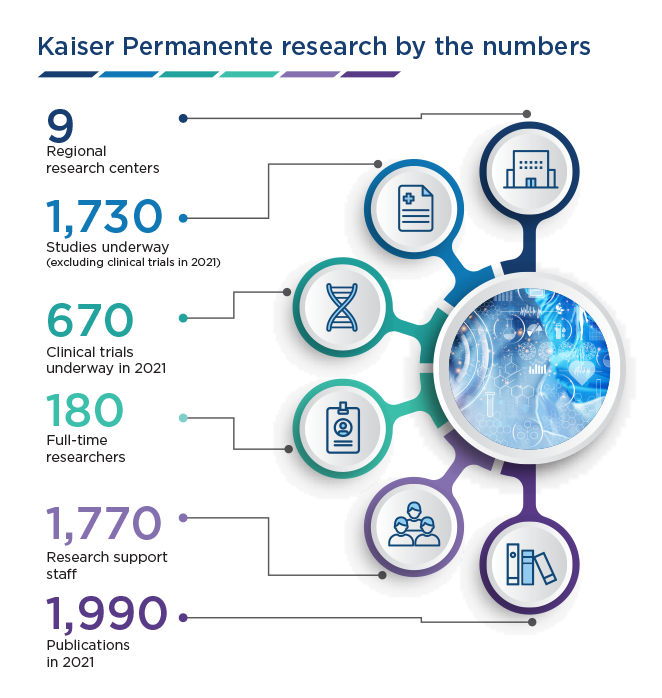

Specialization drives medical progress. Experts in focused fields contribute to research, clinical trials, and innovation.
Their role in advancement includes:
- Developing new treatment methods
- Improving existing procedures
- Refining diagnostic technologies
- Translating research into clinical practice
These contributions benefit both current patients and future generations.
Enhancing Patient Safety and Outcomes
Specialized training reduces the likelihood of errors, especially in high-risk procedures and treatments.
Patient safety improves through:
- Advanced procedural expertise
- Familiarity with potential complications
- Evidence-based decision-making
- Higher success rates in specialized care
Patients often experience shorter recovery times and improved outcomes under specialist care.
Efficient Use of Healthcare Resources
Specialization allows healthcare systems to function more efficiently.
System-wide benefits include:
- Faster referrals to appropriate experts
- Reduced unnecessary testing
- More effective use of advanced technology
- Streamlined care pathways
This efficiency supports better care delivery and resource management.
Collaboration Between Specialists and General Practitioners
Specialization does not replace general care—it complements it. Primary care providers and specialists work together to deliver comprehensive treatment.
Collaborative care ensures:
- Continuity across different stages of treatment
- Holistic understanding of the patient
- Coordinated decision-making
- Better long-term outcomes
Team-based care strengthens the healthcare system as a whole.
Frequently Asked Questions
1. Does specialization mean general doctors are less important?
No. General practitioners play a vital role in prevention, early diagnosis, and care coordination.
2. When should a patient see a specialist?
When symptoms are complex, persistent, or require advanced expertise.
3. Does specialization increase healthcare costs?
While specialized care may cost more initially, it often reduces long-term costs through accurate treatment.
4. Can specialists treat conditions outside their field?
They focus primarily on their specialty but collaborate with other doctors when needed.
5. How long does it take to become a medical specialist?
It typically requires several additional years of training after medical school.
6. Are specialists involved in preventive care?
Yes, many specialists focus on early detection and prevention within their field.
7. Does specialization improve patient confidence?
Patients often feel more confident knowing their condition is managed by an expert.
Specialization is a cornerstone of modern medicine. By combining deep expertise with collaborative care, it improves accuracy, safety, innovation, and patient outcomes—ensuring healthcare keeps pace with growing medical complexity.