From Hammocks to Healing: How Aerial Yoga Enhances Spine and Joint Health
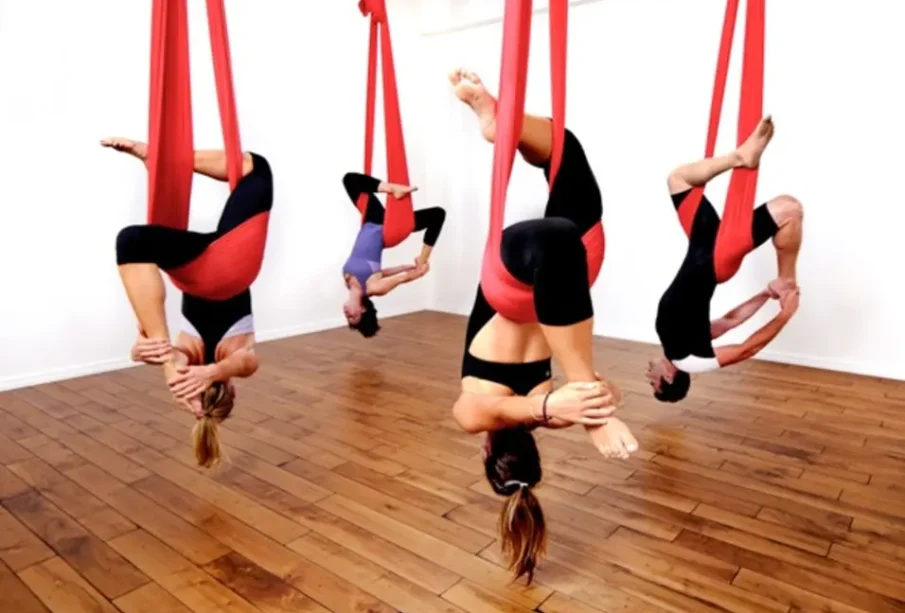
In today’s fast-paced world, more people are searching for holistic practices that not only keep them fit but also support long-term health. One practice gaining attention in Singapore is aerial yoga, a unique form of yoga performed with the help of a hammock suspended from the ceiling. While many are drawn to it for the fun of floating mid-air, aerial yoga also provides significant benefits for the spine and joints. For individuals struggling with poor posture, stiffness, or joint discomfort, this form of yoga offers a low-impact yet powerful solution.
Why the Spine Needs Special Care
The spine supports our entire body structure, but modern lifestyles place immense pressure on it. Hours of sitting at desks, staring at screens, and commuting create compression along the spinal column. This leads to common issues such as:
-
Lower back pain
-
Tightness in the shoulders and neck
-
Reduced mobility in the mid-spine
-
Postural imbalances like rounded shoulders or forward head posture
Aerial yoga directly addresses these problems by using the hammock as a supportive prop, helping practitioners release tension, create length, and restore natural alignment.
Decompression Through Suspension
One of the most celebrated benefits of aerial yoga is spinal decompression. When the body is inverted in the hammock, gravity gently pulls the vertebrae apart. This allows more space between the discs, improving circulation and relieving pressure on nerves.
Unlike high-impact workouts, aerial yoga offers a safe and controlled environment for decompression. People who often feel “compressed” after long workdays experience relief and a newfound sense of lightness after a class.
Supporting Joint Mobility and Longevity
Beyond the spine, aerial yoga is gentle on the joints. Traditional exercise like running or high-intensity gym training often places repetitive stress on the knees, hips, and ankles. The hammock reduces the body’s weight load, meaning the joints experience less strain while still engaging in movement.
Practitioners often notice improvements in:
-
Hip flexibility and mobility
-
Shoulder joint openness
-
Knee stability without overloading
-
Overall range of motion in everyday movements
This makes aerial yoga an excellent choice for those recovering from mild injuries, ageing adults wanting safe activity, or anyone keen to protect their joints while staying active.
Enhancing Core Stability
Healthy spine and joints are closely linked to core strength. Aerial yoga challenges the core muscles constantly because the hammock adds instability. Engaging the abdominals, obliques, and lower back muscles during poses helps:
-
Stabilise the spine
-
Improve posture in daily activities
-
Reduce the risk of back pain recurrence
-
Support functional strength for carrying groceries, climbing stairs, or even sitting upright longer
Core strengthening in aerial yoga is progressive, so beginners can start with supported poses and gradually build resilience.
Releasing Tension in the Upper Body
Many office workers in Singapore struggle with stiff shoulders and tight necks. Aerial yoga directly targets this area. Supported backbends in the hammock allow the chest to open while the shoulders relax naturally. Unlike on the floor, the hammock reduces strain and encourages passive stretching.
Over time, regular practice leads to:
-
Reduced shoulder stiffness
-
Improved lung capacity due to open chest muscles
-
Better circulation to the upper spine and neck region
-
Relief from tension headaches linked to muscular tightness
Psychological and Emotional Healing
Physical health of the spine and joints cannot be separated from mental wellbeing. The act of being suspended mid-air creates a unique meditative experience. The hammock cradles the body, evoking feelings of safety and trust.
This can be transformative for those living with chronic pain, as it:
-
Lowers stress hormones that often worsen joint discomfort
-
Improves sleep by reducing nervous system tension
-
Builds self-confidence in movement and body awareness
-
Encourages mindfulness and body connection
When the mind relaxes, the body heals more effectively, making aerial yoga a powerful mind-body practice.
Suitable for All Fitness Levels
One of the strengths of aerial yoga is its adaptability. While images of advanced flips and inversions often circulate on social media, classes in Singapore are structured to accommodate beginners. Certified instructors guide participants step by step, ensuring that those with spinal or joint concerns practise safely.
-
Beginners can focus on gentle stretches and decompression
-
Intermediate practitioners can explore strength-building flows
-
Advanced students may enjoy challenging inversions with core activation
This versatility ensures everyone benefits, regardless of experience or age.
How Aerial Yoga Complements Traditional Yoga
Floor-based yoga provides grounding and builds awareness of body alignment. Aerial yoga enhances this by offering support where gravity might limit a stretch or posture. For example, hamstring stretches done in a hammock feel deeper yet more comfortable than on the mat.
The two practices complement each other beautifully, creating a balanced routine that supports long-term joint and spinal health.
Practical Tips for Getting Started
If you are new to aerial yoga, here are some practical tips to keep in mind:
-
Wear fitted clothing to avoid tangling with the hammock
-
Avoid jewellery or sharp objects that could damage the fabric
-
Eat light before class to feel comfortable during inversions
-
Communicate with the instructor about any past injuries
-
Focus on breathing and relaxation rather than “perfect poses”
These steps help beginners ease into the practice while maximising benefits.
How Singapore Professionals Benefit Most
In Singapore, the fast-paced urban lifestyle often leaves professionals with little time to care for their health. Long hours, high stress, and sedentary routines create the perfect storm for spinal and joint problems.
Aerial yoga provides a convenient and enjoyable way to counteract this. Many studios offer evening or lunchtime classes that fit busy schedules, giving professionals the chance to:
-
Stretch after hours at the desk
-
Reset posture for the next workday
-
Reduce mental stress before returning home
-
Connect with a like-minded community focused on health
For professionals looking to balance career demands with wellbeing, aerial yoga is more than just exercise, it is a restorative practice.
Why Choose Yoga Edition in Singapore
While aerial yoga is widely recognised for its benefits, the quality of instruction matters greatly. At Yoga Edition, trained instructors ensure every class is safe, welcoming, and effective for both spine and joint care. The supportive environment allows practitioners to progress at their own pace while enjoying the unique experience of suspension-based yoga.
FAQs
Q. Is aerial yoga safe for people with chronic back pain?
Yes, when practised under the guidance of a trained instructor, aerial yoga can relieve pressure on the spine and strengthen supporting muscles. However, those with severe spinal conditions should consult a medical professional before starting.
Q. How often should I practise aerial yoga to see improvements in spine health?
Practising 2 to 3 times per week can bring noticeable results in posture, flexibility, and tension relief within a few months.
Q. Can aerial yoga replace physiotherapy for joint issues?
No, aerial yoga is not a medical treatment but a complementary practice. It supports mobility and reduces strain, which can work well alongside physiotherapy.
Q. Will I get dizzy from being inverted in the hammock?
Some beginners may feel lightheaded during inversions. Instructors usually guide you to start slowly and build comfort over time, reducing the chances of dizziness.
Q. What makes aerial yoga different from traditional yoga for joint care?
The hammock provides support that reduces load on the joints, allowing safer and deeper stretches compared to mat-based yoga. This makes it especially suitable for those with joint sensitivity.